Beginners often assume that outdoor photos will look good at any hour, especially when the sun is bright. In practice, a more experienced photographer pays close attention to the time of day.
Why the time of day matters
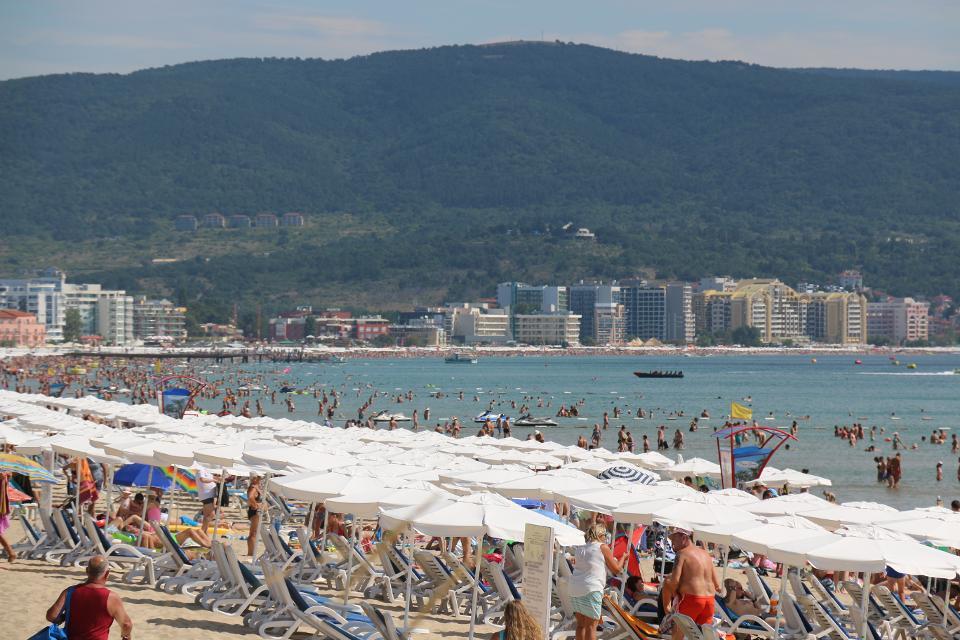
Strong midday sun can leave part of a picture almost white while the shadows become too dark to show detail. In very low light, raising ISO can introduce noise and reduce image quality. The best shooting time is therefore a balance between enough light and manageable contrast.
The short answer
Sunrise and sunset usually offer the most flattering natural light for both landscapes and portraits.
What makes sunrise and sunset so useful?
-
Softer, more balanced light
The light is gentler than at noon, while remaining bright enough for clear, detailed images.
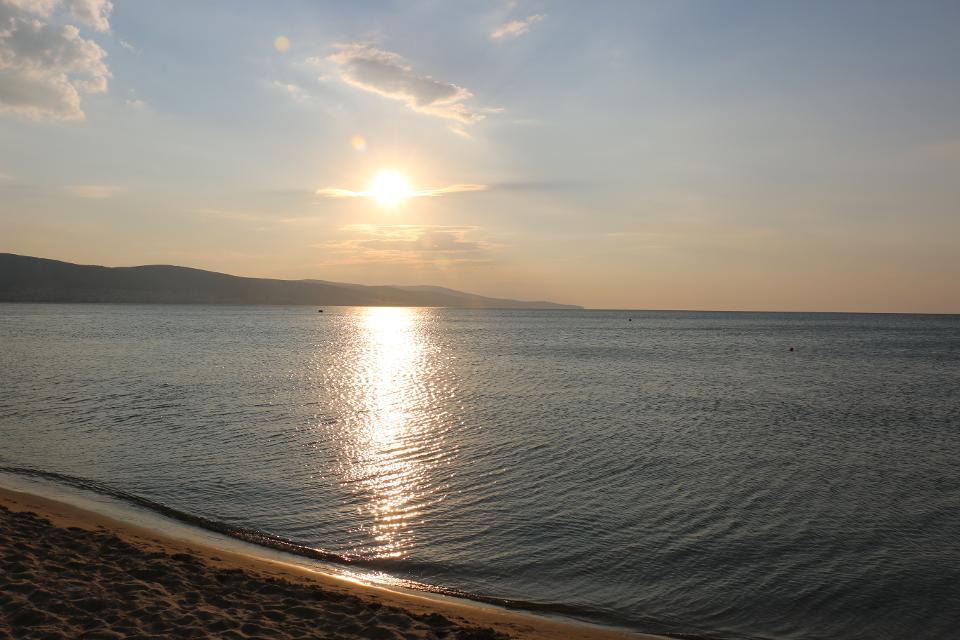
Soft sunrise light keeps both the sky and landscape readable. -
Color changes quickly
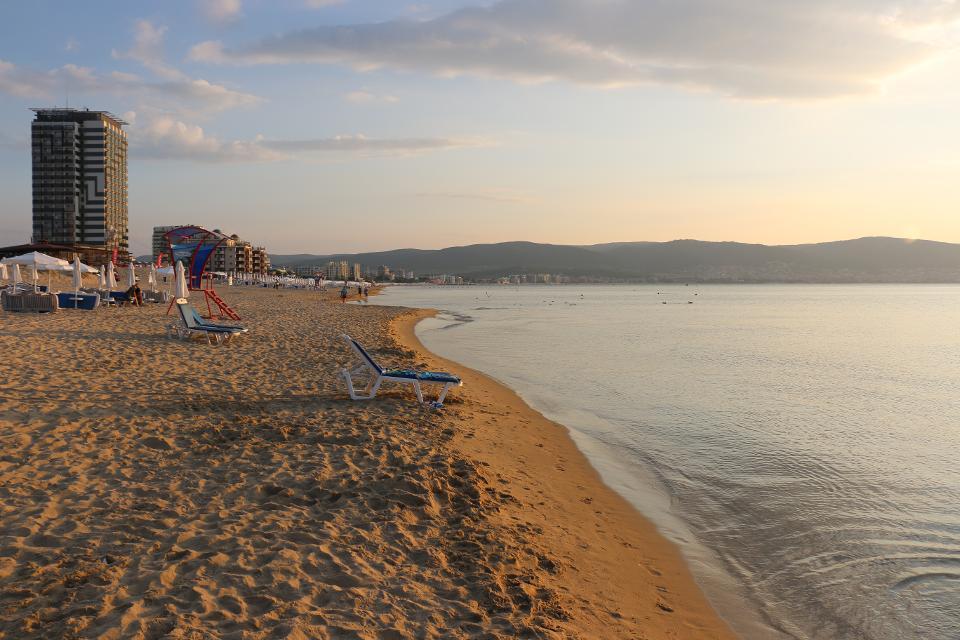
Early and late sunlight moves through different shades, producing noticeably different photos without a lens filter. This is the same place on the Bulgarian Black Sea coast only 15 minutes later.
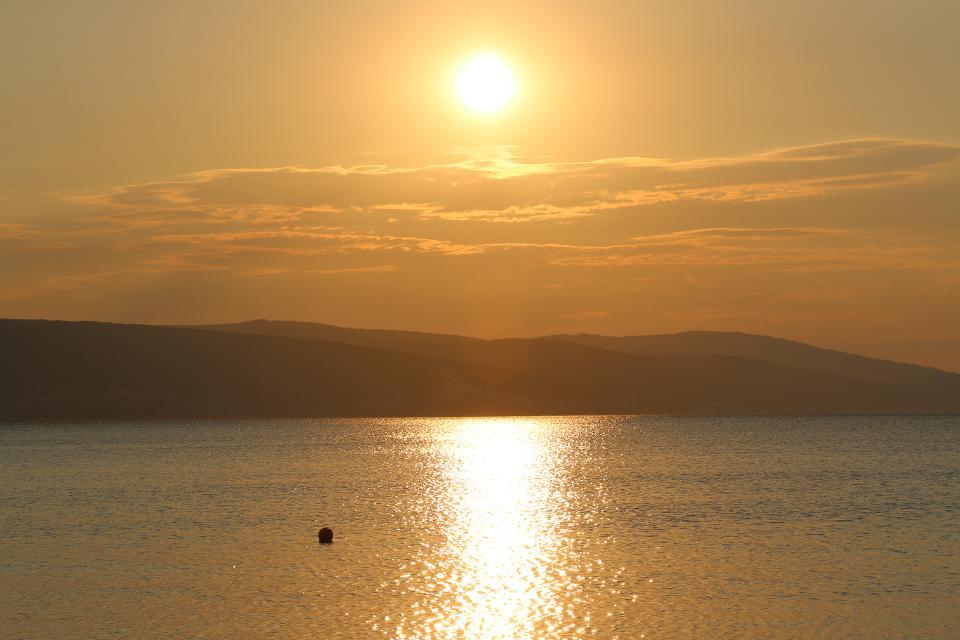
A few minutes can completely change the palette and mood. -
Direction gives portraits character
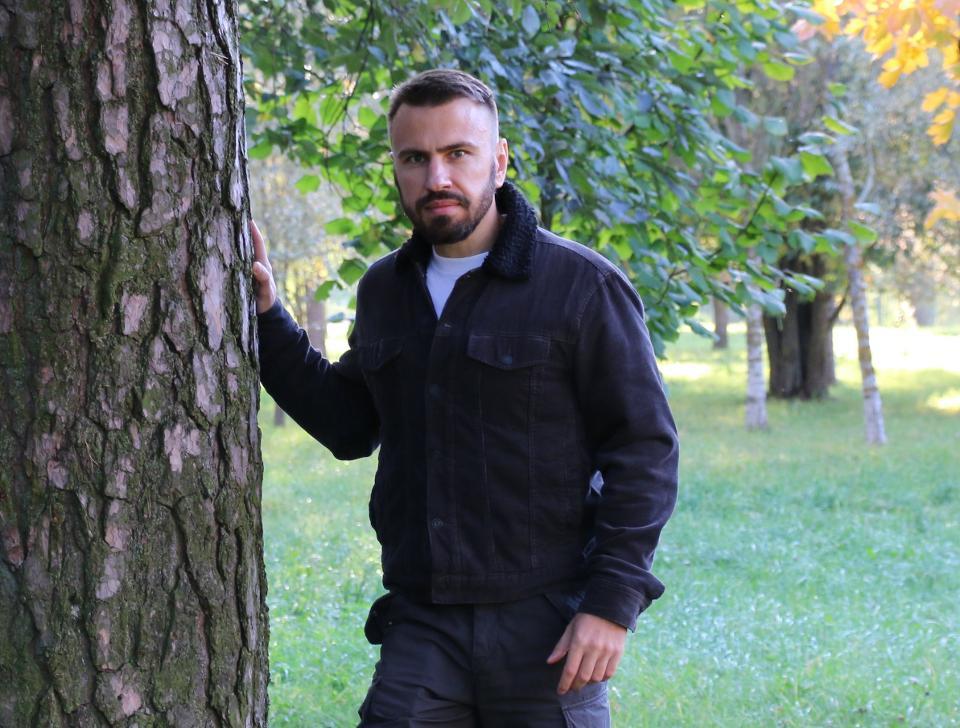
Positioning a person at different angles to the sun can emphasize shape, reveal selected details, or add a more dramatic character.
-
Backlight creates natural effects
Placing the sun behind the subject can add glow, flare, silhouettes, and other effects directly in camera.
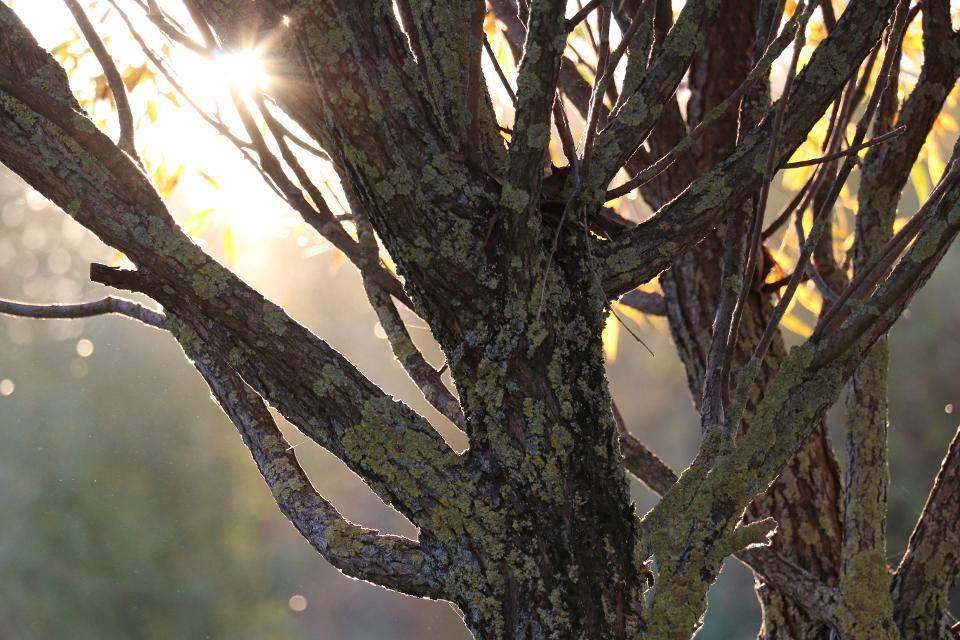
-
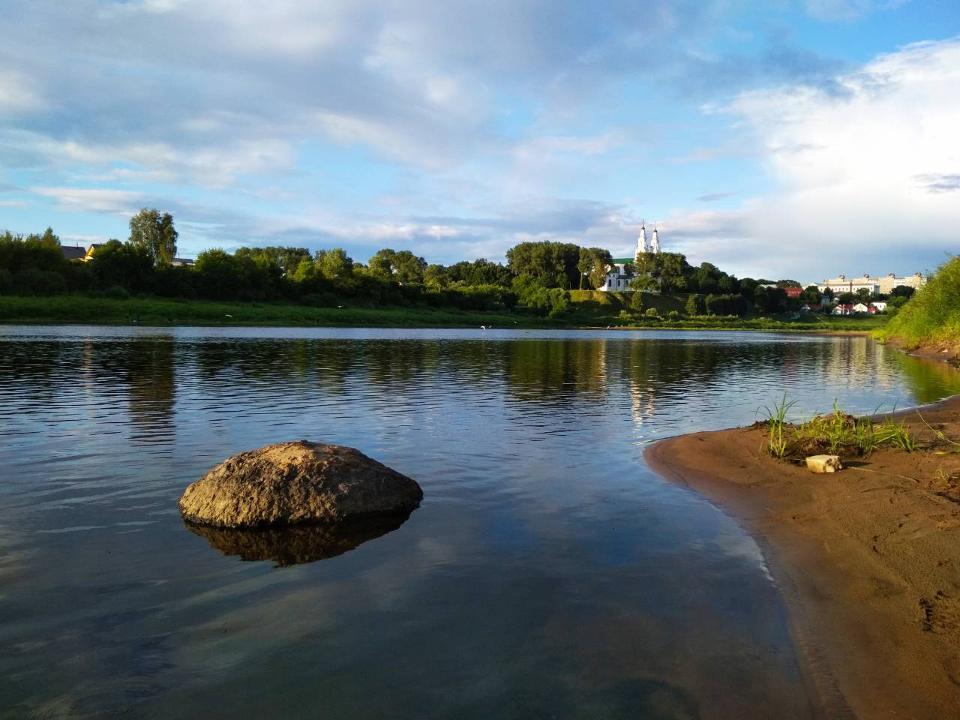
Even phone photos feel more intentional
Warm directional light can make an ordinary mobile photo much more interesting.
Sunrise or sunset?
There is no universal winner. It can be hard to tell whether a photo was taken at sunrise or sunset; the atmosphere and mood often provide the only clues. Sunrise does have one practical advantage: popular places are usually much quieter in the morning.
The takeaway
With experience and the right equipment, you can make strong pictures at any hour. When you want softer contrast, warmer color, and a more distinctive atmosphere, start with sunrise or sunset.