Running water is one of the first subjects that shows new photographers how much creative control a camera can offer.
The effect comes from shutter speed
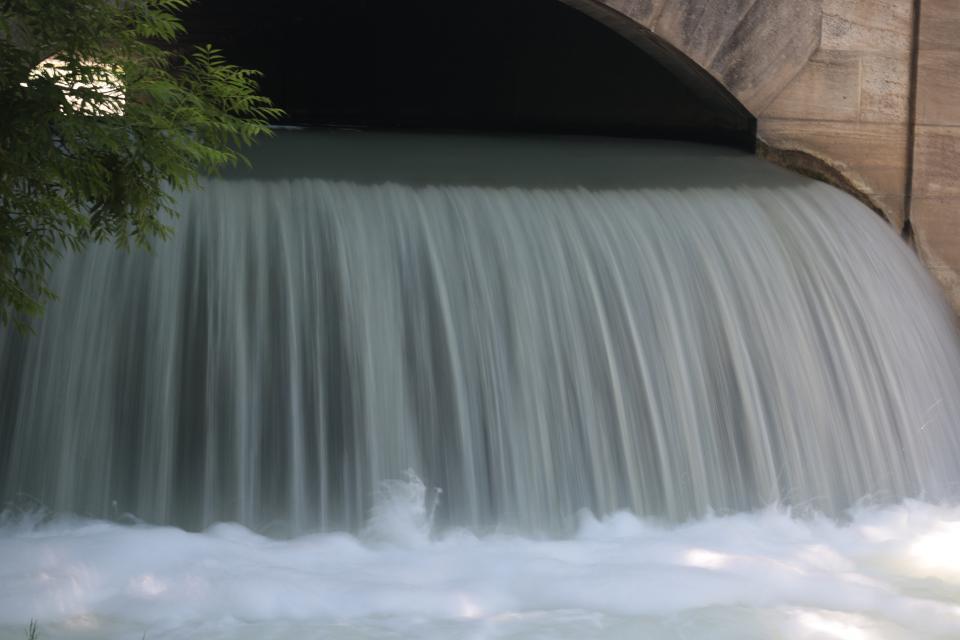
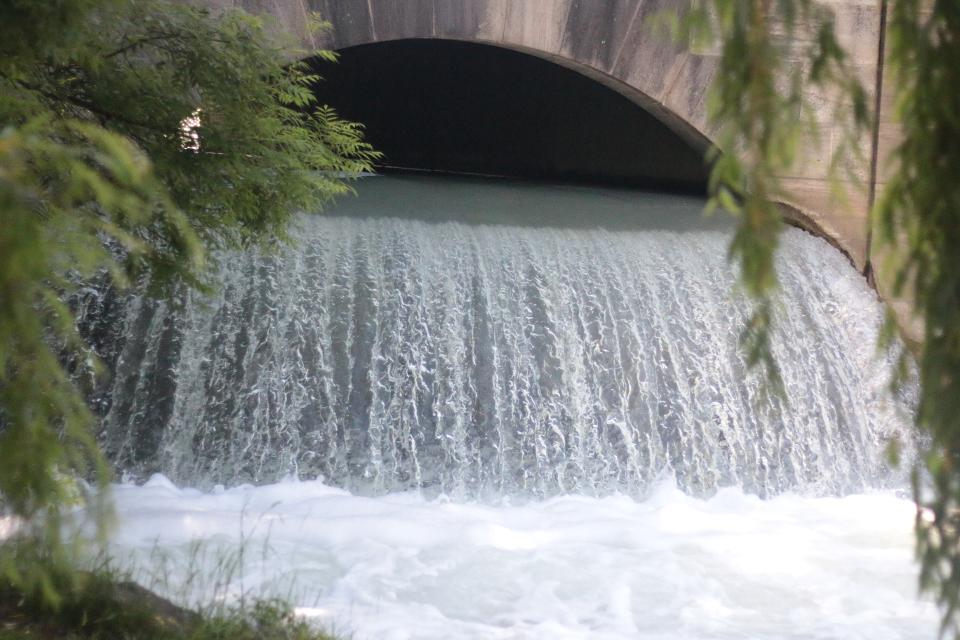
In some waterfall photos, the water looks soft and silky. In others, every splash and droplet is frozen. The difference comes from the shutter speed, not from a special type of water and not necessarily from editing.
These photographs show the same place in the English Garden in Munich, Germany, with two different settings.

Why the technique is so satisfying
It is expressive
You can emphasize qualities ranging from crystal-clear droplets to one continuous ribbon of movement.
It happens in camera
No photo editor is required to create two images that feel completely different from the same viewpoint.
It reveals something the eye cannot hold
We do not see a long exposure in real time. The camera combines motion across time, producing the unusual silky character that makes the result feel almost unreal.
The creative choice
Use a faster shutter when you want energy and detail. Use a slower shutter when you want calm, continuous movement.